Keynotes
Jennifer Jacobs
Materials and Machines: How the Physical World Can Inform Computational Tools for Creative Production
Biography
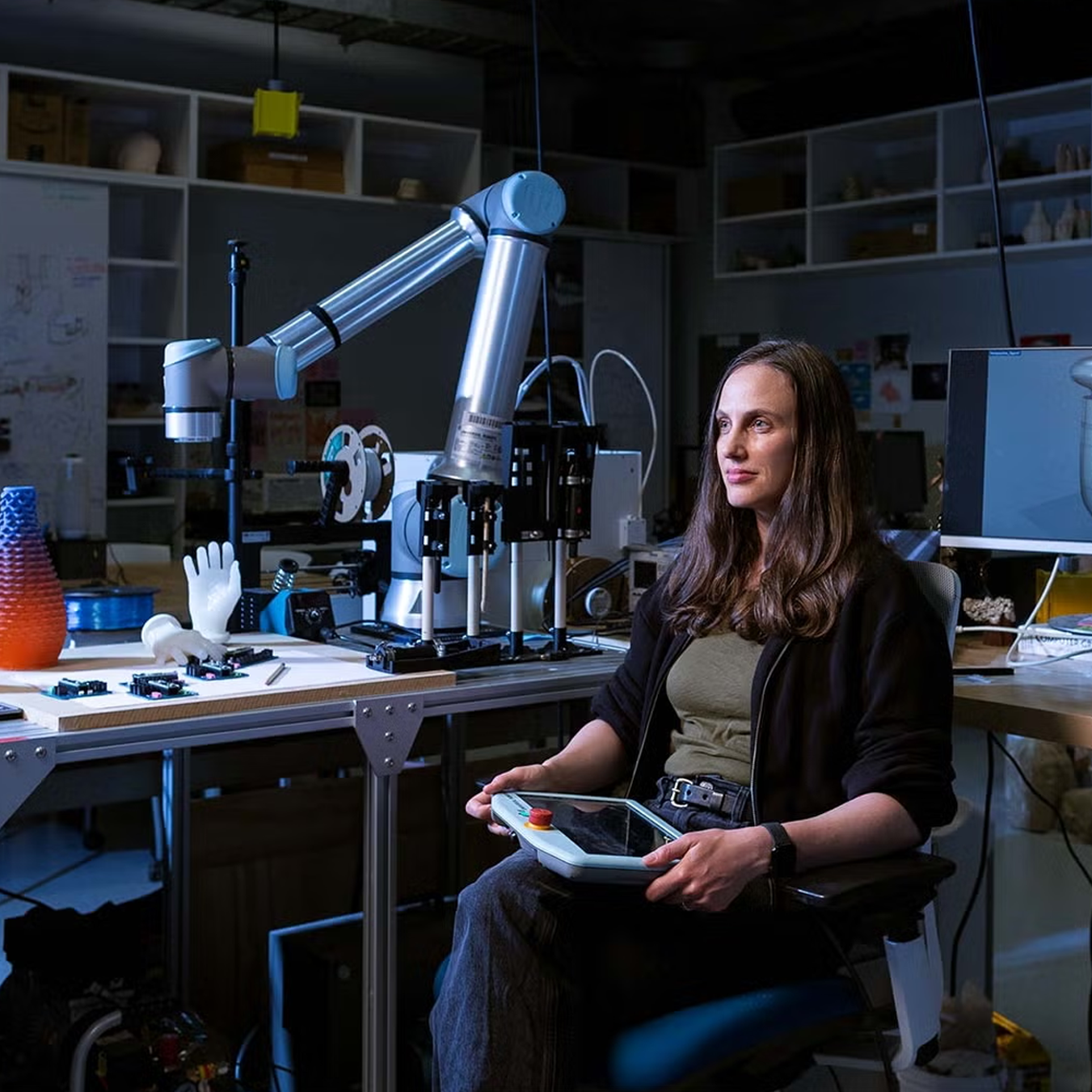
Jennifer Jacobs is an Associate Professor at the University of California, Santa Barbara, in Media Arts and Technology, where she directs the Expressive Computation Lab. She studies methods for developing tools that enable professionals and learners to use computation in idiosyncratic design processes in technically and culturally meaningful ways. Dr. Jacobs’ research combines systems engineering, machine control, and computational fabrication alongside co-design with professional creative communities so that technologies augment—rather than replace—skilled material practice. Dr. Jacobs received her Ph.D. from the Massachusetts Institute of Technology’s Media Lab and completed her postdoctoral research in the Computer Science Department at Stanford University. She also received an M.F.A. and B.F.A from Hunter College and the University of Oregon, respectively. Her research has been presented at international venues including SIGGRAPH, UIST, CACM, CHI, SCF, and DIS. She is the recipient of the NSF CAREER Award and multiple best paper awards at ACM CHI and ACM DIS. She has been an artist-in-residence at Autodesk Pier 9, Haystack Mountain School of Craft, and the Shakerag Craft School, and has run a digital fabrication Artist-in-Residence Program funded by the National Science Foundation.
Leonel Moura
Sapiens AI: The New Condition
Biography
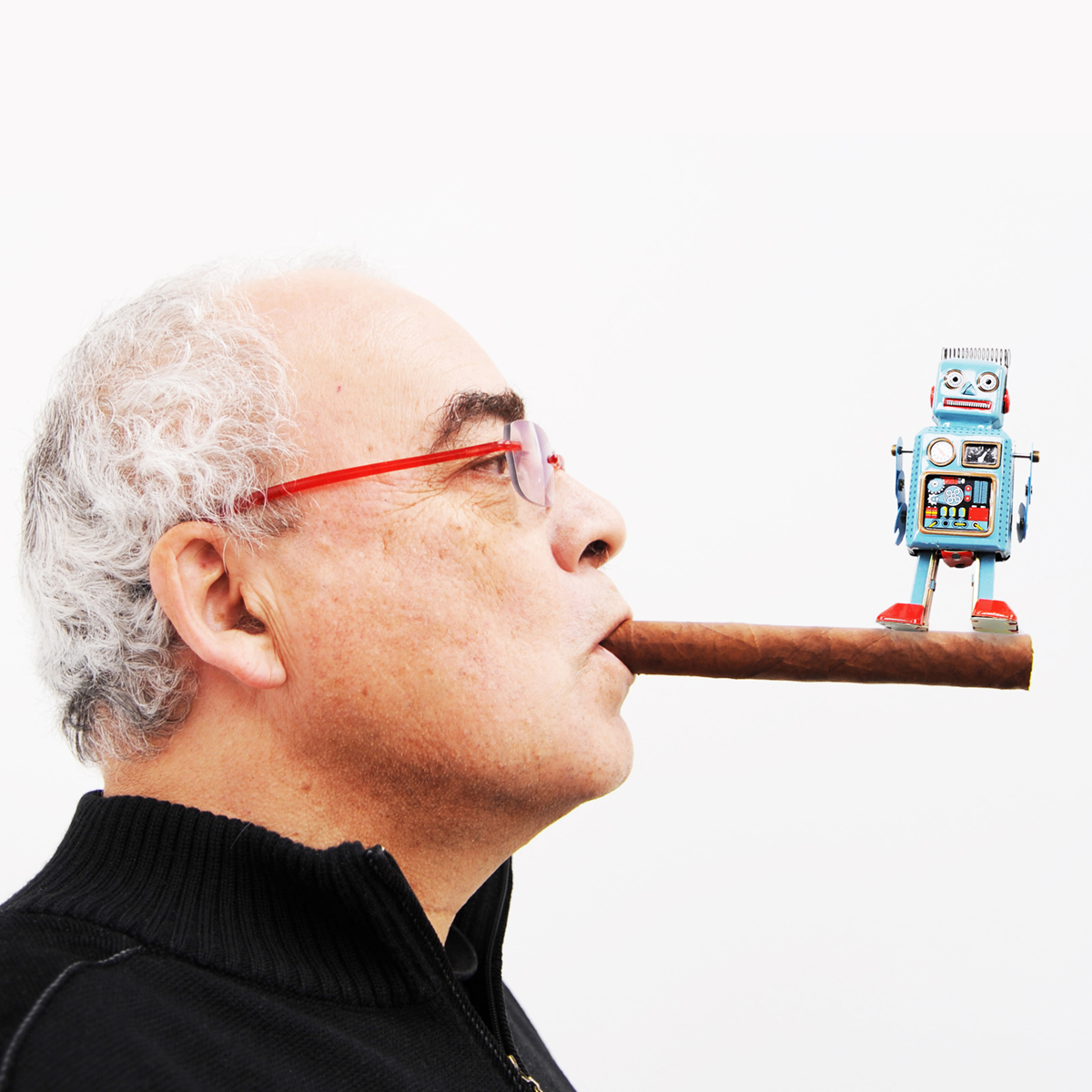
Leonel Moura is a Portuguese artist and a pioneer in the use of robotics and artificial intelligence in art. Since 2001, he has developed autonomous artistic systems capable of producing original works, challenging traditional notions of creativity and authorship. His work has been exhibited internationally in museums, galleries and major art events, including the Grand Palais in Paris, UCCA Beijing, and Diriyah Art Futures in Riyadh. Moura is the author of several books and manifestos on robot art, artificial intelligence and non-human creativity. His research explores the emergence of autonomous artistic behaviour and the cultural implications of a world increasingly shaped by intelligent machines.